Research Highlights
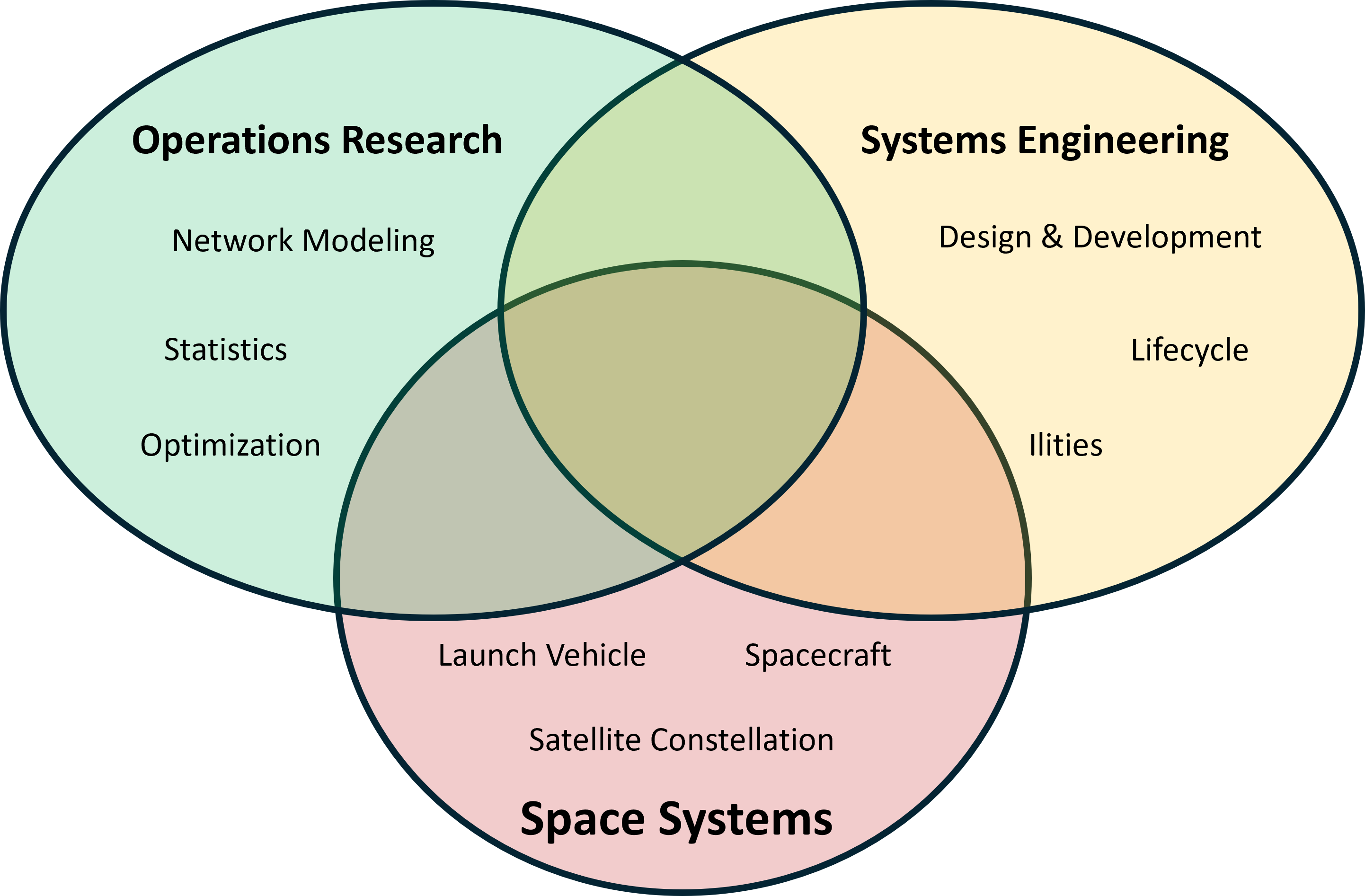
My research interests are 1) strategic issues in design & operations of space systems and 2) engineering decision-making problems. These interests are within the theory of Systems Engineering and Operations Research, applied to Space Systems.
Space Logistics
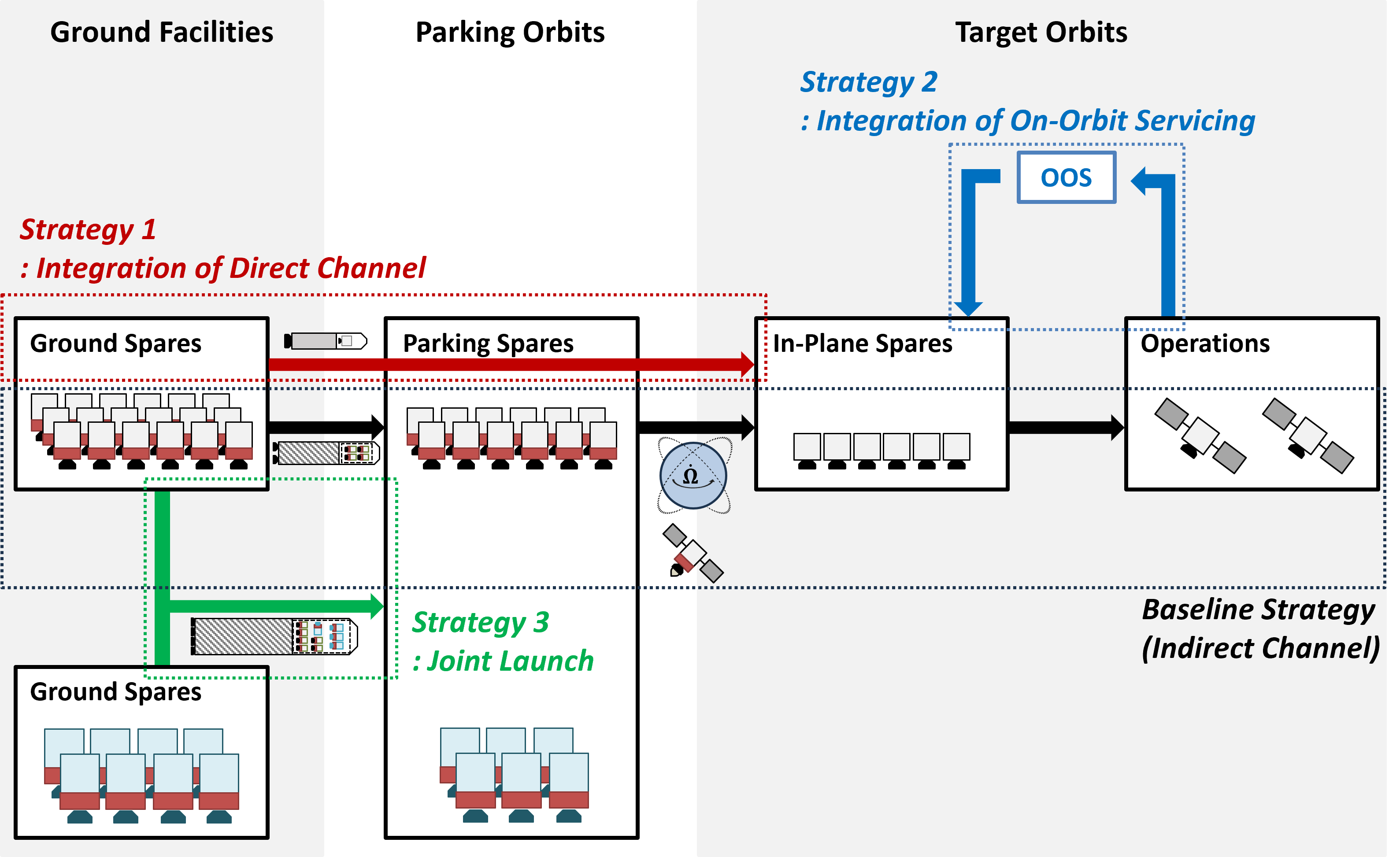
Space Logistics is defined by the AIAA Space Logistics Technical Committee as “the theory and practice of driving space system design for operability and supportability, and of managing the flow of material, services, and information needed throughout a space system lifecycle.” Building on this definition, this research addresses logistics planning and management for long-term, complex space operations across the system lifecycle. By adopting perspectives from supply chain management, it identifies key factors that affect the design and operation of space systems, develops methods to optimize system performance and value, and models and analyzes the relevant stakeholders involved throughout the lifecycle.
Operations-Informed System Design
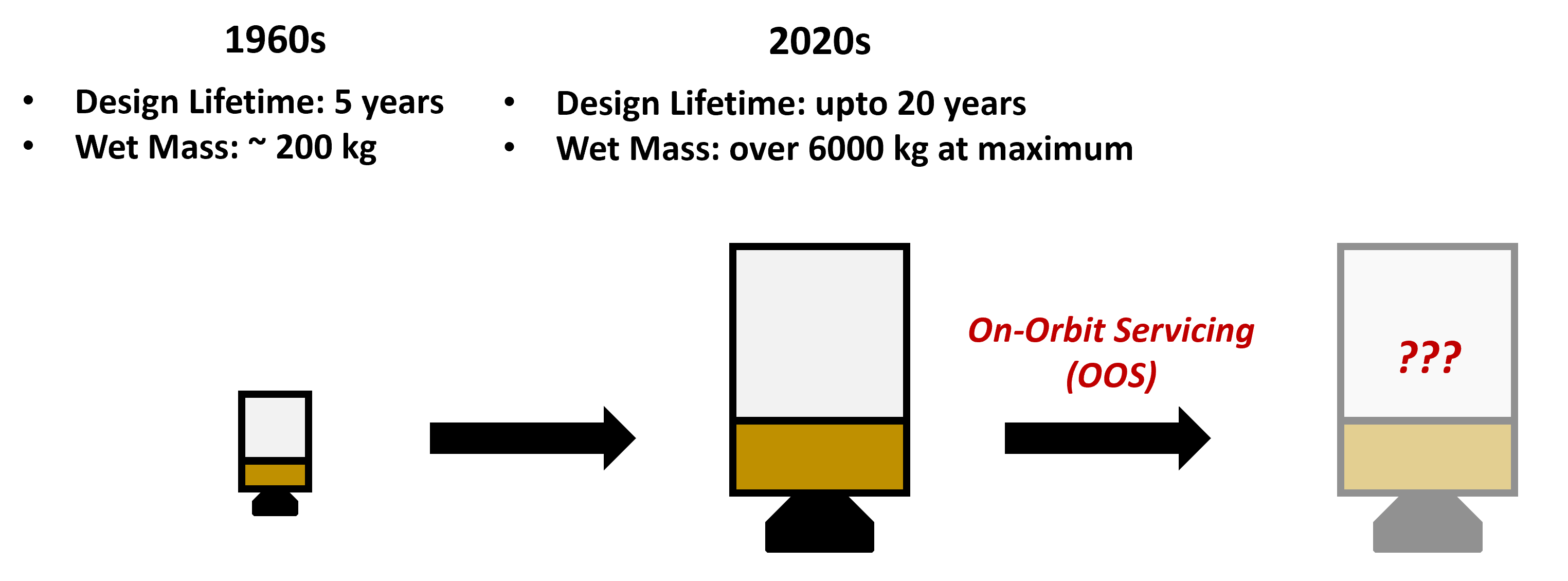
Space system design is often inseparable from the operational decisions that follow throughout a system lifecycle. In the case of on-orbit servicing (OOS), this research examines how design decisions such as satellite architecture and serviceability interact with operational decisions such as refueling, repair, upgrades, and service scheduling, and how these interactions affect system value and market adoption. In launch vehicle conceptual design, the focus shifts to the coupling between design decisions such as stage sizing and mass allocation and operational decisions such as trajectory design and flight requirement management, with the goal of identifying efficient vehicle configurations and flight paths.
Analysis and Design of Complex Systems
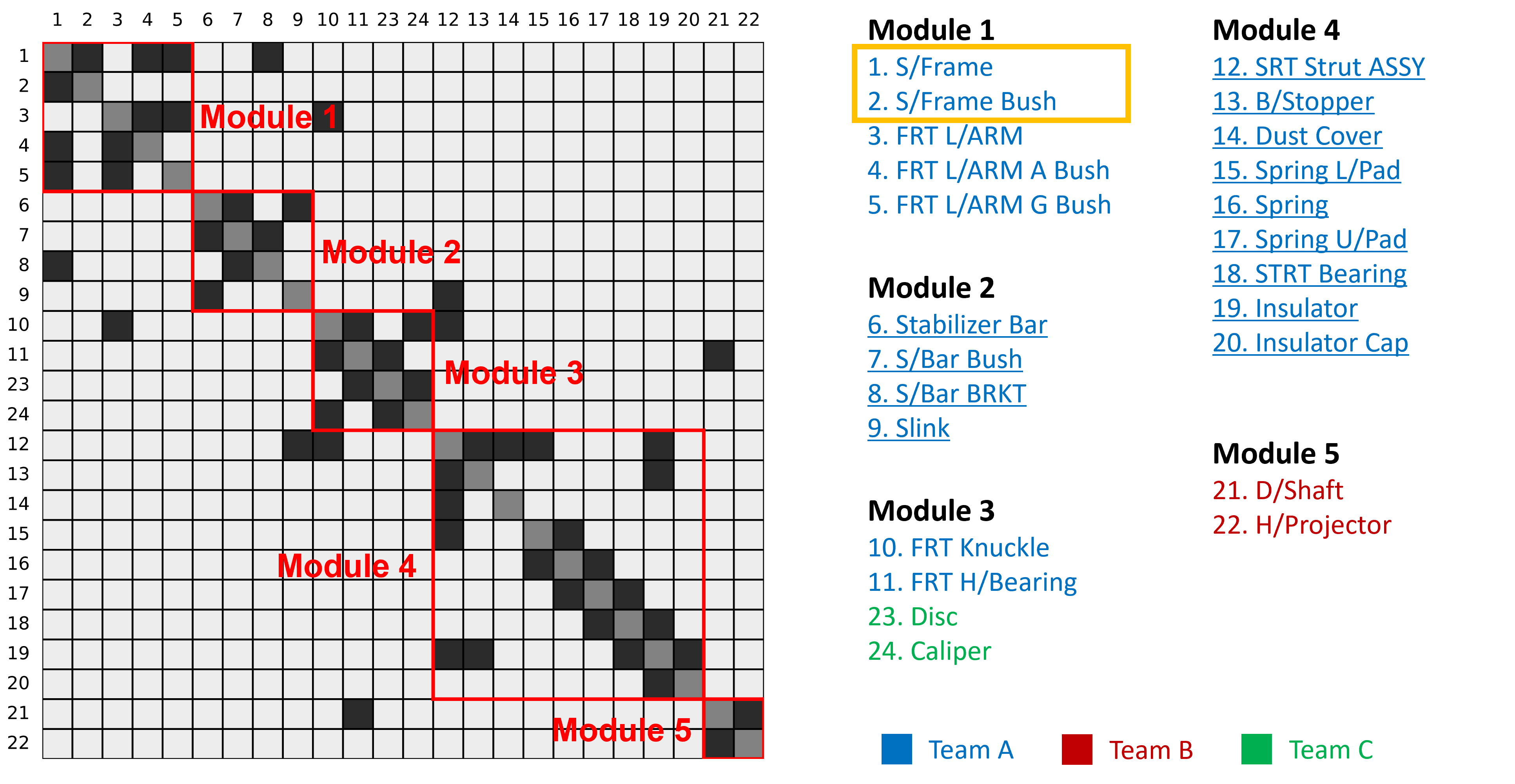
Complex systems are composed of many interacting components, making their structure and behavior difficult to understand within the limits of human cognition. This research approaches complex systems by decomposing them into manageable modules, or more broadly, domains, analyzing the interactions among them, and reconnecting the results to support system-level understanding. We develop methods for analyzing and designing engineered products, organizations, processes, and multi-domain systems, with the goal of reformulating complex problems into human-solvable forms supported by computational tools.
Fundamentals of Space Environment from Design & Operations Perspectives
Space systems are fundamentally shaped by the space environment, including orbital mechanics, solar radiation and particles, and interactions with other space objects. These conditions make the design and operations of space systems fundamentally different from those of terrestrial systems, making a deep understanding of the space environment essential to space engineering. This research branch studies the fundamentals of the space environment from design and operations perspectives, and applies these insights to relevant problems.